
Picture a Year 9 student sitting in the corridor before an exam she’s dreading. Her hands are shaking a little. What steadies her isn’t a motivational poster or a lecture she once half-listened to about “grit”. It’s the friend who sits down beside her, the teacher who catches her eye and nods, the quiet certainty that whatever happens in the next hour, she belongs somewhere. That, more than anything, is what allows her to walk into the room.
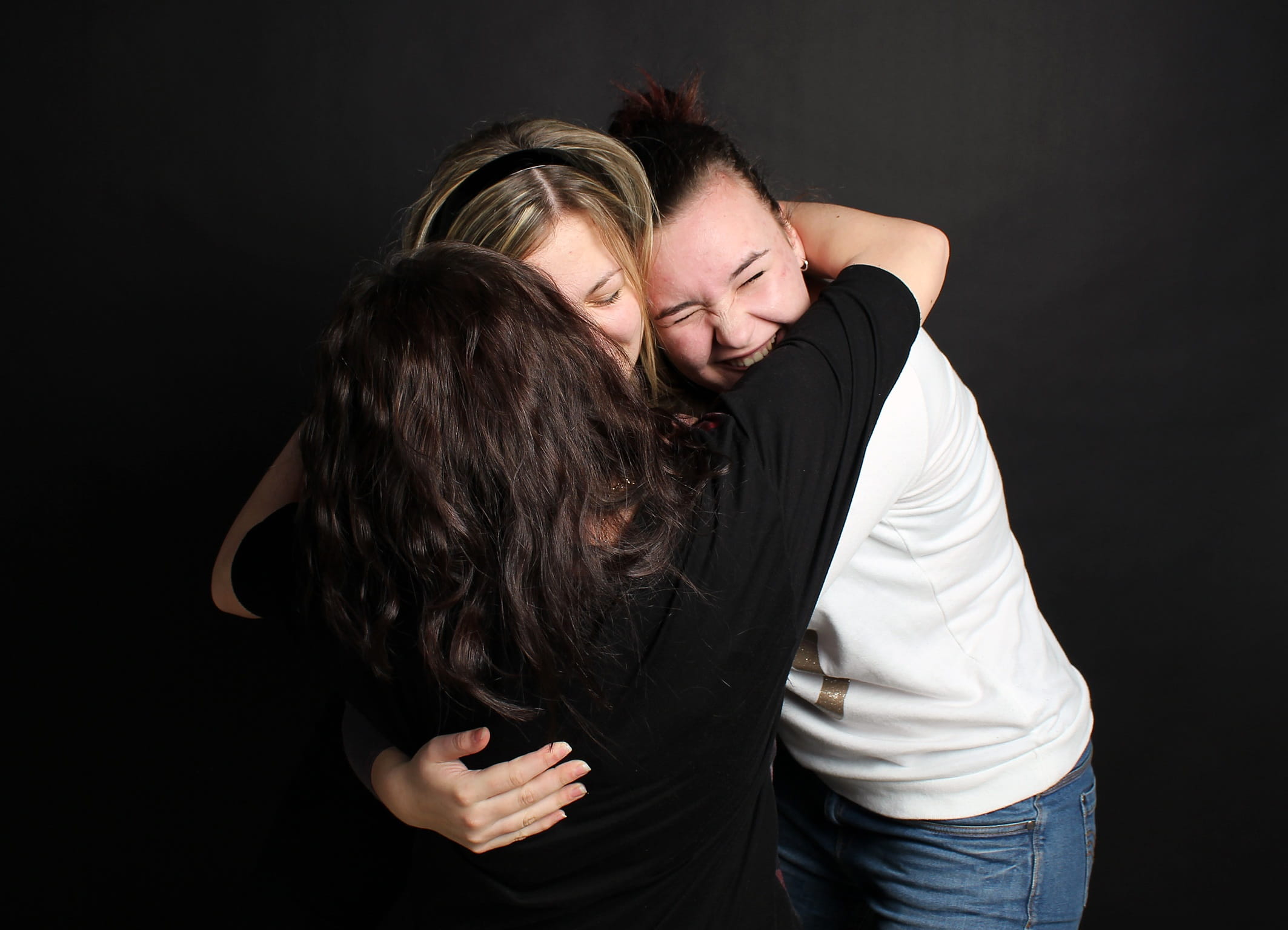
We tend to talk about resilience as though it were a muscle each child trains alone. Work harder, bounce back, toughen up. But watch how young people actually cope with pressure and a different picture emerges. Resilience rarely grows in isolation. It grows in relationship.
The myth of the lone survivor
There’s a popular idea that the resilient child is the self-reliant one who needs nobody. It sounds admirable, but it doesn’t hold up. Children who feel securely connected to the people around them take more risks, recover from setbacks faster and ask for help sooner. Those who feel alone tend to hide their struggles until the struggles grow too large to hide.
The difference isn’t character. It’s context. A child surrounded by people who notice, respond and stay is a child with room to fail safely and try again.
What belonging actually does
Belonging isn’t a soft add-on to the real work of education. It’s the ground the real work stands on. When a young person knows they are seen and valued, several things follow.
They are more willing to speak up when something is wrong. They treat mistakes as information rather than verdicts. And they carry a steadier sense of who they are, which becomes a kind of internal anchor when circumstances get rough.
Schools that understand this stop trying to install resilience through workshops alone and start building it into daily life: through pastoral care, through mentoring, through the small, repeated signals that tell a child they matter here. It’s no accident that settings like a school that puts belonging at the heart of pastoral life often see confidence and academic courage rise together.
Small moments, lasting effect
Belonging isn’t built in grand gestures. It’s built in the register that’s called with genuine warmth, the corridor conversation that lingers a beat longer, the teacher who remembers a difficult week and asks how things went.
These moments accumulate. Over years, they form a background hum of security that a child can draw on without even noticing. When a real challenge arrives, a friendship ending, a disappointing result, a family upheaval, the child who belongs has something to fall back on that self-reliance alone could never provide.
How families can help
Parents sometimes worry that shielding a child from hardship weakens them, while throwing them in at the deep end builds strength. In truth, neither extreme helps much. What helps is presence.
A child who knows a parent will listen without rushing to fix things learns that difficult feelings are survivable. A child who is trusted with age-appropriate responsibility learns they are capable. And a child who sees the adults around them handle their own setbacks with honesty rather than pretence learns that resilience is ordinary, not heroic.
The Royal Masonic School for Girls has long recognised that emotional security and academic ambition are partners, not rivals. Strength, it turns out, is a shared achievement.
A steadier kind of strength
Return to that student in the corridor. She walks into the exam not because she has been drilled to be tough, but because she is held by something larger than herself. That is the quiet secret of resilience. It was never a solo pursuit.
If we want young people who can weather difficulty, we would do well to spend less time asking how to make them stronger on their own, and more time asking how to make them feel they belong. You can read more about this approach at https://rmsforgirls.com.
—
*This article was contributed by the team at The Royal Masonic School for Girls, an independent day and boarding school for girls in Rickmansworth, Hertfordshire. Committed to nurturing confident, curious young women, the school blends strong pastoral care with high academic standards, supporting pupils from ages 2 to 18 across its Cadogan House and Senior School.*
Performing Arts Isn’t a Soft Option — It’s Serious Preparation for Life
Photo courtesy of Pikpik







Leave a Reply